
Loop Antenna Radiation Pattern
Loop Antenna Radiation Pattern - This power variation as a function of the arrival angle is observed in the antenna's far field. Web let’s start with a simple square loop in free space, fed in the middle of one side, and see how the radiation pattern and other characteristics vary as we change the frequency (or change the length in wavelengths, which is the same thing). Courtesy himanshu rohilla, 3rd year ee, iit delhi. The tangent line at 0° indicates vertical polarization, whereas the line with 90° indicates horizontal polarization. Web a radiation pattern defines the variation of the power radiated by an antenna as a function of the direction away from the antenna. These antennas have low radiation resistance and high inductive reactance, so that their impedance is difficult to match to a radio impedance (often 50 ohms). This still qualifies as a “small loop”, but is beginning to show some of the characteristics of a larger loop. Radius of loop= 5.3 mm, circumference = λ. Web azimuth radiation pattern of a horizontally polarized full wave loop antenna in free space. The small loops of a single turn have small radiation resistance (< 1 ω) usually comparable to their loss resistance. These antennas have low radiation resistance and high inductive reactance, so that their impedance is difficult to match to a radio impedance (often 50 ohms). Web loop antennas are usually classified as electrically small ( c < λ / 3 ) and electrically large (c ∼ λ ). Courtesy himanshu rohilla, 3rd year ee, iit delhi. This power variation as a function of the arrival angle is observed in the antenna's far field. Web let’s start with a simple square loop in free space, fed in the middle of one side, and see how the radiation pattern and other characteristics vary as we change the frequency (or change the length in wavelengths, which is the same thing). The tangent line at 0° indicates vertical polarization, whereas the line with 90° indicates horizontal polarization. The radiated power is now maximum along the axis of the loop, not in the plane of the loop. The small loops of a single turn have small radiation resistance (< 1 ω) usually comparable to their loss resistance. Web the antenna feed points would be in series with the loop, such that a small loop looks somewhat like a short circuit across the antenna feed. Radius of loop= 5.3 mm, circumference = λ. Radius of loop= 5.3 mm, circumference = λ. These antennas have low radiation resistance and high inductive reactance, so that their impedance is difficult to match to a radio impedance (often 50 ohms). The pattern is similar to a dipole, but about 6 degrees wider however, the vertical pattern is more compressed, providing about 1 db of gain. Here, c. Here, c denotes the loop’s circumference. The pattern is similar to a dipole, but about 6 degrees wider however, the vertical pattern is more compressed, providing about 1 db of gain. This still qualifies as a “small loop”, but is beginning to show some of the characteristics of a larger loop. The small loops of a single turn have small. As the frequency progresses to the second and third resonances the perpendicular radiation fades and strong lobes near the plane of the loop arise. Web a radiation pattern defines the variation of the power radiated by an antenna as a function of the direction away from the antenna. The small loops of a single turn have small radiation resistance (<. As the frequency progresses to the second and third resonances the perpendicular radiation fades and strong lobes near the plane of the loop arise. Web the antenna feed points would be in series with the loop, such that a small loop looks somewhat like a short circuit across the antenna feed. The small loops of a single turn have small. As the frequency progresses to the second and third resonances the perpendicular radiation fades and strong lobes near the plane of the loop arise. The radiation patterns for different angles of looping are also illustrated clearly in the figure. Radius of loop= 5.3 mm, circumference = λ. Web let’s start with a simple square loop in free space, fed in. The pattern is similar to a dipole, but about 6 degrees wider however, the vertical pattern is more compressed, providing about 1 db of gain. As the frequency progresses to the second and third resonances the perpendicular radiation fades and strong lobes near the plane of the loop arise. Web an antenna is a device that couples currents to electromagnetic. These antennas have low radiation resistance and high inductive reactance, so that their impedance is difficult to match to a radio impedance (often 50 ohms). Web the antenna feed points would be in series with the loop, such that a small loop looks somewhat like a short circuit across the antenna feed. Web loop antennas are usually classified as electrically. These antennas have low radiation resistance and high inductive reactance, so that their impedance is difficult to match to a radio impedance (often 50 ohms). This still qualifies as a “small loop”, but is beginning to show some of the characteristics of a larger loop. Radius of loop= 5.3 mm, circumference = λ. The small loops of a single turn. This power variation as a function of the arrival angle is observed in the antenna's far field. Web an antenna is a device that couples currents to electromagnetic waves for purposes of radiation or reception. The radiated power is now maximum along the axis of the loop, not in the plane of the loop. Web let’s start with a simple. Web a radiation pattern defines the variation of the power radiated by an antenna as a function of the direction away from the antenna. This power variation as a function of the arrival angle is observed in the antenna's far field. The tangent line at 0° indicates vertical polarization, whereas the line with 90° indicates horizontal polarization. The radiated power. Web loop antennas are usually classified as electrically small ( c < λ / 3 ) and electrically large (c ∼ λ ). These antennas have low radiation resistance and high inductive reactance, so that their impedance is difficult to match to a radio impedance (often 50 ohms). Here, c denotes the loop’s circumference. This still qualifies as a “small loop”, but is beginning to show some of the characteristics of a larger loop. This power variation as a function of the arrival angle is observed in the antenna's far field. As the frequency progresses to the second and third resonances the perpendicular radiation fades and strong lobes near the plane of the loop arise. The radiated power is now maximum along the axis of the loop, not in the plane of the loop. Web let’s start with a simple square loop in free space, fed in the middle of one side, and see how the radiation pattern and other characteristics vary as we change the frequency (or change the length in wavelengths, which is the same thing). The pattern is similar to a dipole, but about 6 degrees wider however, the vertical pattern is more compressed, providing about 1 db of gain. Web a radiation pattern defines the variation of the power radiated by an antenna as a function of the direction away from the antenna. Web azimuth radiation pattern of a horizontally polarized full wave loop antenna in free space. The small loops of a single turn have small radiation resistance (< 1 ω) usually comparable to their loss resistance. Web an antenna is a device that couples currents to electromagnetic waves for purposes of radiation or reception. The radiation patterns for different angles of looping are also illustrated clearly in the figure.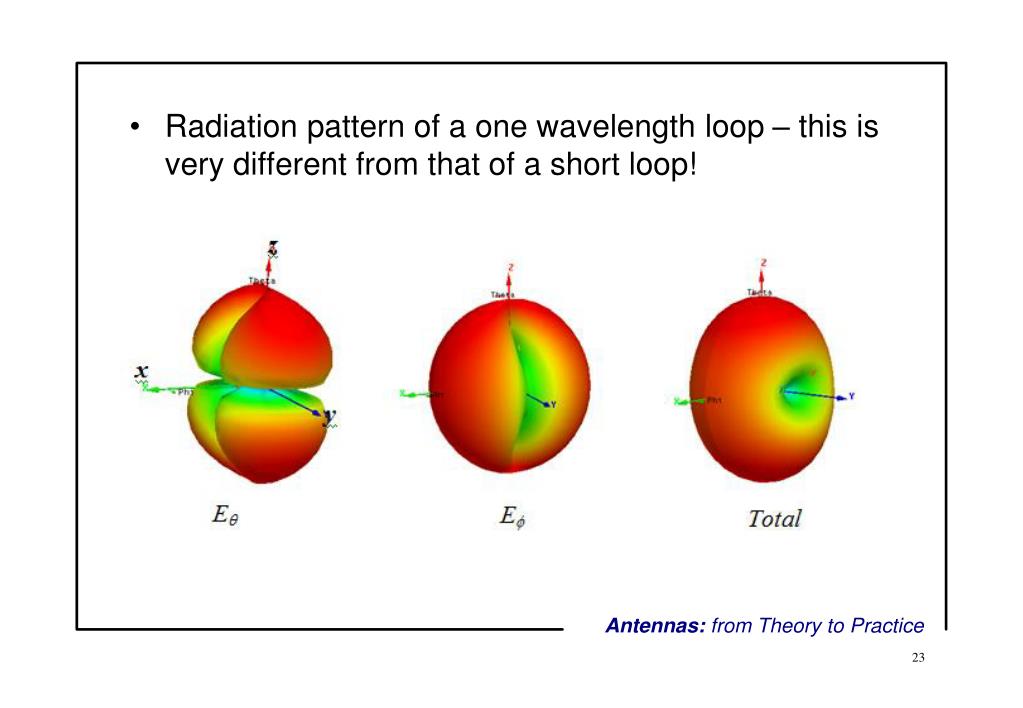
PPT Antennas from Theory to Practice 5. Popular Antennas PowerPoint
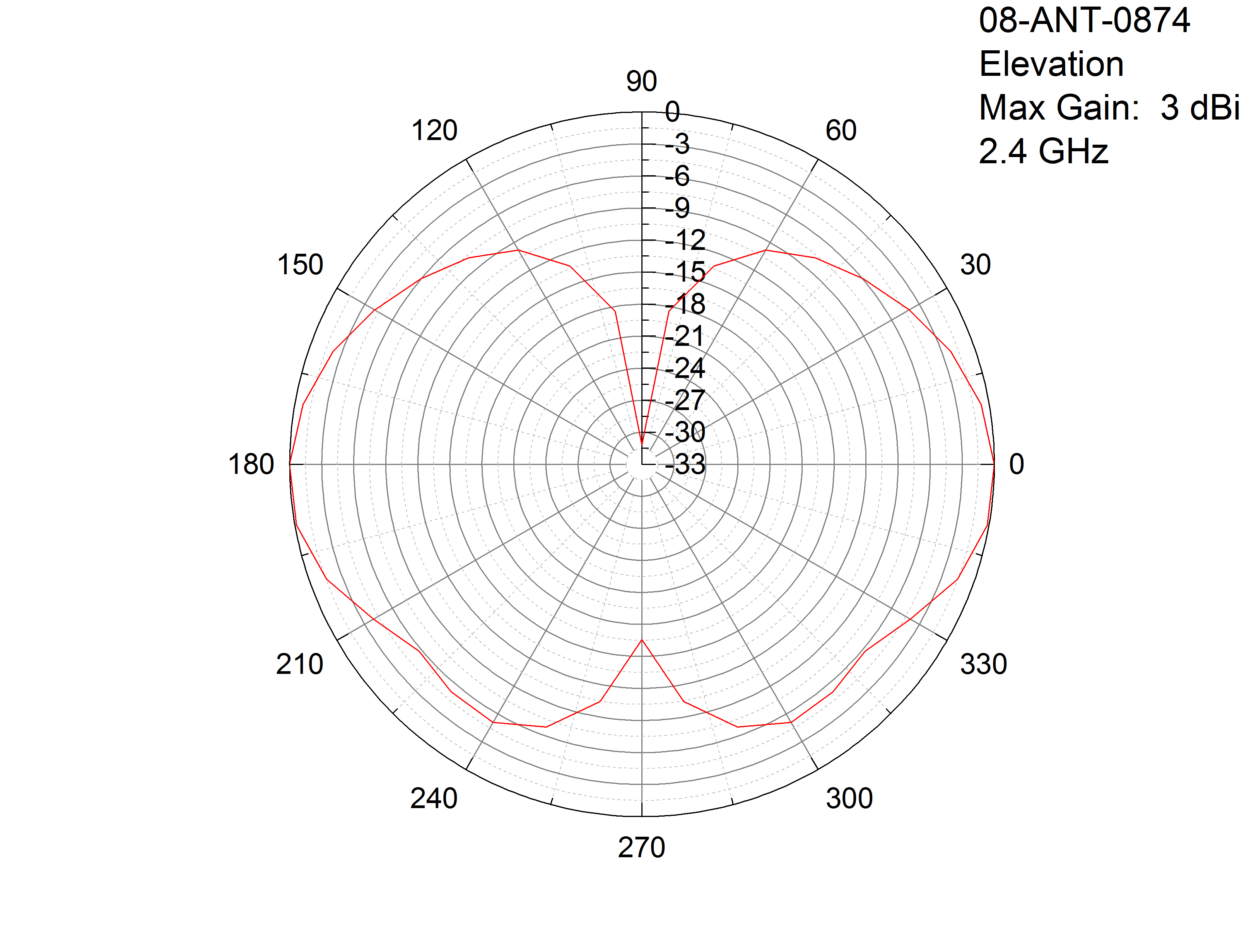
Antenna Gain and radiation patterns explained by MP Antenna

Loop Antenna Radiation Pattern Catalog of Patterns
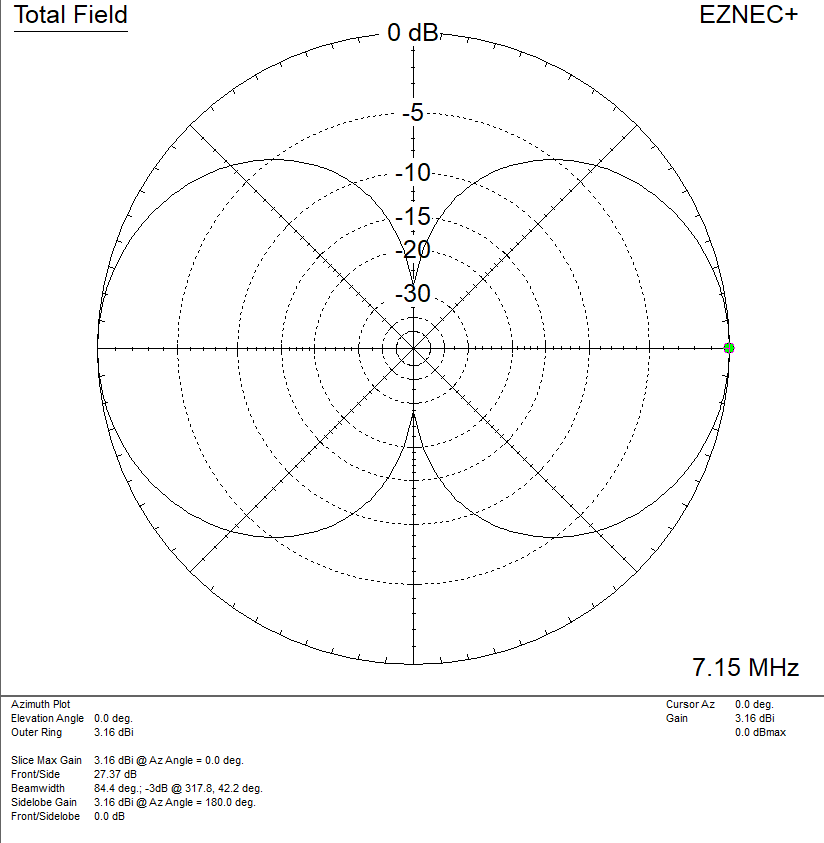
Theory of Full Wave Loops Practical Antennas

Simulated radiation patterns of the reference rectangular loop antenna
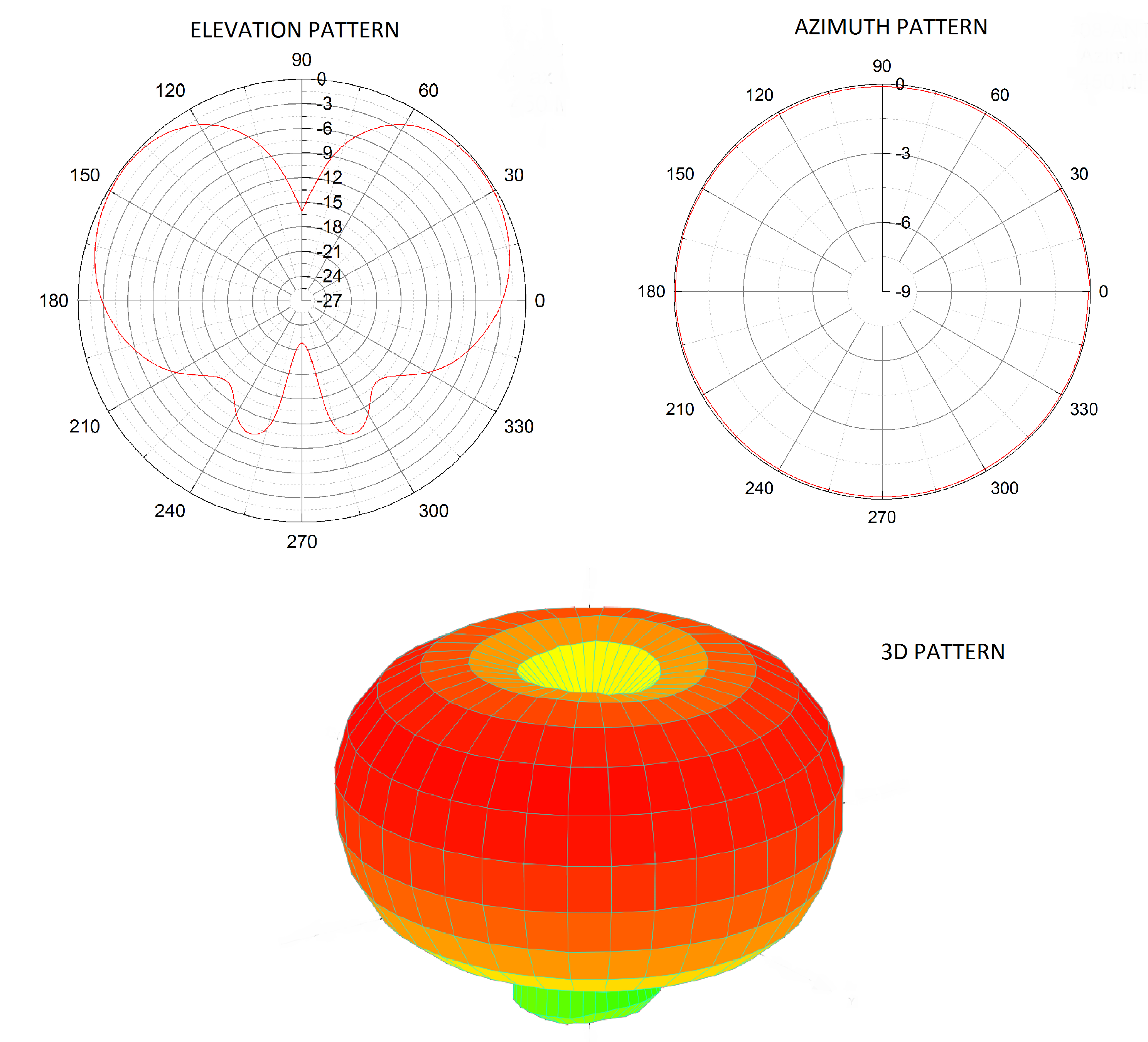
Omnidirectional Antenna Radiation Pattern
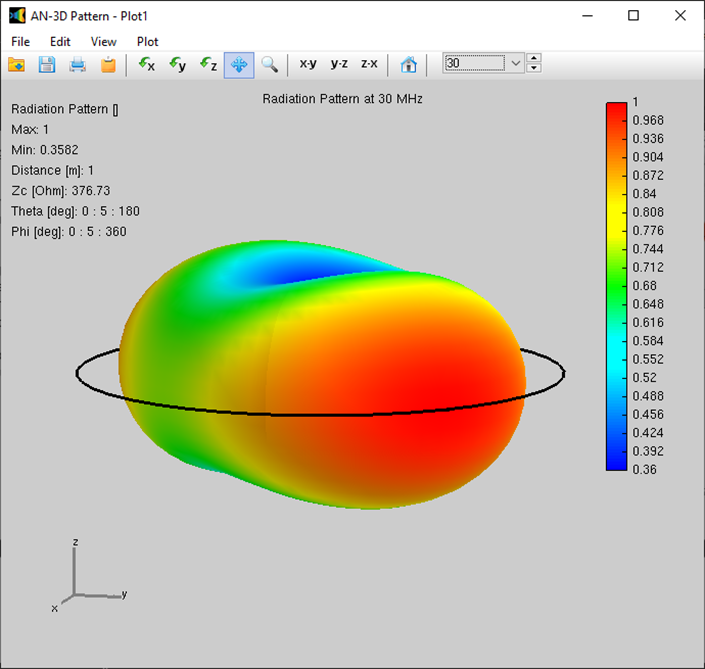
Loop Antenna › ANSOF Antenna Simulation Software
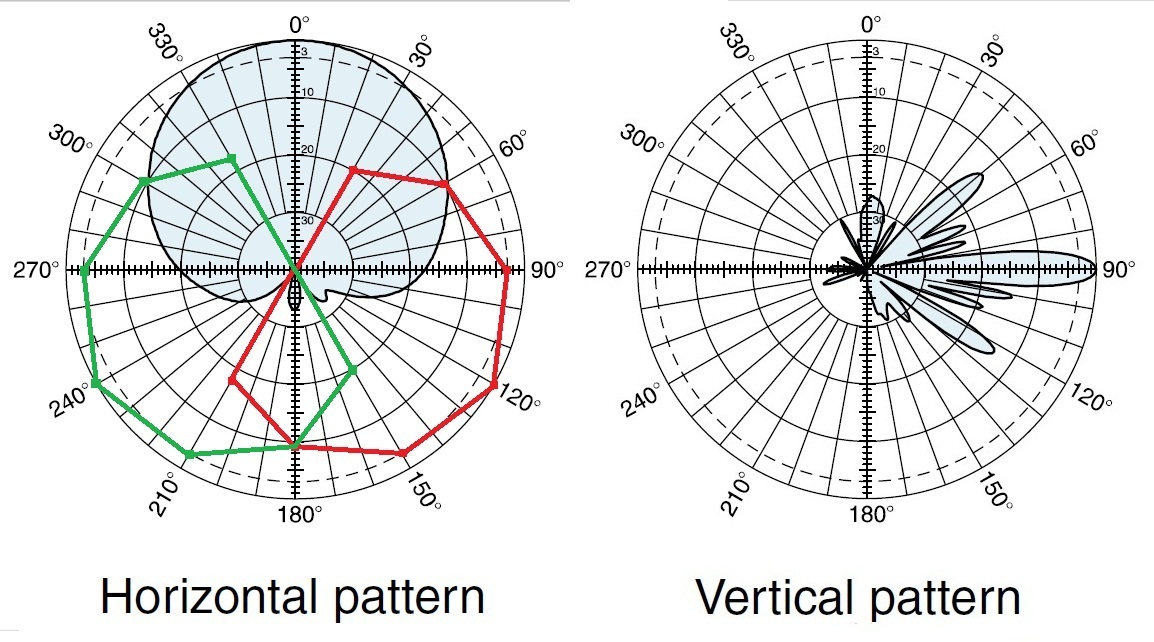
Antenna Radiation Pattern and Antenna Tilt RAYmaps

Radiation pattern plot of the loop antenna. Download
RadiationPatternLoopAntenna IoT M2M blog
The Tangent Line At 0° Indicates Vertical Polarization, Whereas The Line With 90° Indicates Horizontal Polarization.
Radius Of Loop= 5.3 Mm, Circumference = Λ.
Courtesy Himanshu Rohilla, 3Rd Year Ee, Iit Delhi.
Web The Antenna Feed Points Would Be In Series With The Loop, Such That A Small Loop Looks Somewhat Like A Short Circuit Across The Antenna Feed.
Related Post: