
African Textile Patterns
African Textile Patterns - Web the textile museum. Web discover a curated selection of authentic fabrics sourced from across the globe, including hand woven kente cloth, vibrant african print fabric, and more Originating from the ashanti people of ghana, kente cloth is a symbol of pride, identity, and heritage. Web each region of africa boasts unique textile traditions. Web these fabrics are mostly designed to mirror various african cultures and traditions. Ghanaian kente cloth, with its geometric patterns and symbolic colors, is instantly recognizable. Web learn about african fabric patterns. African textiles can be used as historical documents. Others also depict highly respected. Web so what is the history of african fabric? Web the tour offers a rare opportunity to witness a stunning array of textiles, garments, and artifacts from various regions of africa, each with its own unique story to tell. Not everyone who wears these fabrics knows the. Is there an african history of textile? Web these fabrics are mostly designed to mirror various african cultures and traditions. Web find out how african prints have become a symbol of cultural pride and resistance, and why incorporating them into your wardrobe is a great way to show off your personal style while paying homage to africa's heritage. As pointed earlier, the african fabric industry is very old, and dates as far back as 5,000bc when ancient egyptians began cultivating flax and weaving it into linen. In this blog, we'll explore the popular patterns and their meanings. Web so what is the history of african fabric? The art of making, designing and embroidering african traditional textiles is as old as time. From intricate weaving techniques to vibrant dyes and patterns, visitors will gain a deep understanding of the historical, social, and artistic importance of textiles in. They have used cloth not only for personal adornment but also as a powerful medium of communication for many centuries. Web each region of africa boasts unique textile traditions. Web african print fabrics are a vibrant and essential part of african culture, with each country's unique style and patterns. They are expressions of cultural identity, history, and. These textiles are. They have used cloth not only for personal adornment but also as a powerful medium of communication for many centuries. The style of patterning on architectural ruins and remains can give us significant insight into the building and the occupational history of a construction. Web skirt (ntshak), kuba cloth, zaire, 20th c, textile museum. Web learn about african fabric patterns.. African textiles are the major form of expression that africans use to define themselves. From the symbolism woven into kente cloth to the bold colours of ankara, these fabrics transcend mere fashion; The art of making, designing and embroidering african traditional textiles is as old as time. This unique textile, originating from the ashanti people of ghana, is known for. The style of patterning on architectural ruins and remains can give us significant insight into the building and the occupational history of a construction. Web the textiles of africa. Web learn about african fabric patterns. Web discover a curated selection of authentic fabrics sourced from across the globe, including hand woven kente cloth, vibrant african print fabric, and more Web. Web these fabrics are mostly designed to mirror various african cultures and traditions. Web the textiles of africa. This unique textile, originating from the ashanti people of ghana, is known for its vibrant colors and complex designs. Web african fabrics have beautiful patterns, bright colours, and interesting imagery—but these designs are more than just decoration. From intricate weaving techniques to. In this blog, we'll explore the popular patterns and their meanings. The style of patterning on architectural ruins and remains can give us significant insight into the building and the occupational history of a construction. The art of making, designing and embroidering african traditional textiles is as old as time. Web the visual intensity of this dense tableau of contrasting. Is there an african history of textile? This unique textile, originating from the ashanti people of ghana, is known for its vibrant colors and complex designs. Skirts, reaching over 15 feet in width, were layered on top of one another and worn with decorated belts and hats. Web west africa boasts a vibrant tapestry of textiles, each with a unique. Web each region of africa boasts unique textile traditions. Web the textile museum. Each symbol correlates to certain religious, political, or historical beliefs. African textiles are the major form of expression that africans use to define themselves. Web you’ll find these sophisticated patterns (usually in black and white) on afrocentric dresses, tops, pant suits and more. Discover where african textile patterns originated, how traditional african patterns are created, and the cultural significance of traditional. Ghanaian kente cloth, with its geometric patterns and symbolic colors, is instantly recognizable. Web skirt (ntshak), kuba cloth, zaire, 20th c, textile museum. The style of patterning on architectural ruins and remains can give us significant insight into the building and the. Web african textiles are textiles from various locations across the african continent. Web skirt (ntshak), kuba cloth, zaire, 20th c, textile museum. Web so what is the history of african fabric? Web the visual intensity of this dense tableau of contrasting patterns and their underlying conceptual order challenges the idea of the grid in modernism and invites association with the. Web although a standard range of patterns has remained popular in southern africa, innovations are regularly introduced, some inspired by traditional mural motifs, others by introducing images such. Web learn about african fabric patterns. Others also depict highly respected. They have used cloth not only for personal adornment but also as a powerful medium of communication for many centuries. African textiles can be used as historical documents. Web these fabrics are mostly designed to mirror various african cultures and traditions. In this blog, we'll explore the popular patterns and their meanings. They have embraced fabric as a way of celebrating life. They are expressions of cultural identity, history, and. Web so what is the history of african fabric? Web the textile museum. Web skirt (ntshak), kuba cloth, zaire, 20th c, textile museum. The continent’s vastness and cultural heritage have given rise to artistic expressions that. Web you’ll find these sophisticated patterns (usually in black and white) on afrocentric dresses, tops, pant suits and more. Across africa, there are many distinctive styles, techniques, dyeing methods, and decorative and functional purposes. The art of making, designing and embroidering african traditional textiles is as old as time.
Ewe strip woven cloth Togo African textiles, Weaving textiles

African fabric Sundara Fabrics African fabric, African print fabric

Pin on PRINTS

African fabric pattern Royalty Free Vector Image

2 Yards of Original African Fabric from the SHAMASH & Sons

Related image African pattern design, African print fabric, African

African Print Fabric/ Ankara Orange, Brown, Red, Navy 'Yaoundé

This item is unavailable Etsy Printing on fabric, African pattern

African pattern design, African pattern, African fabric
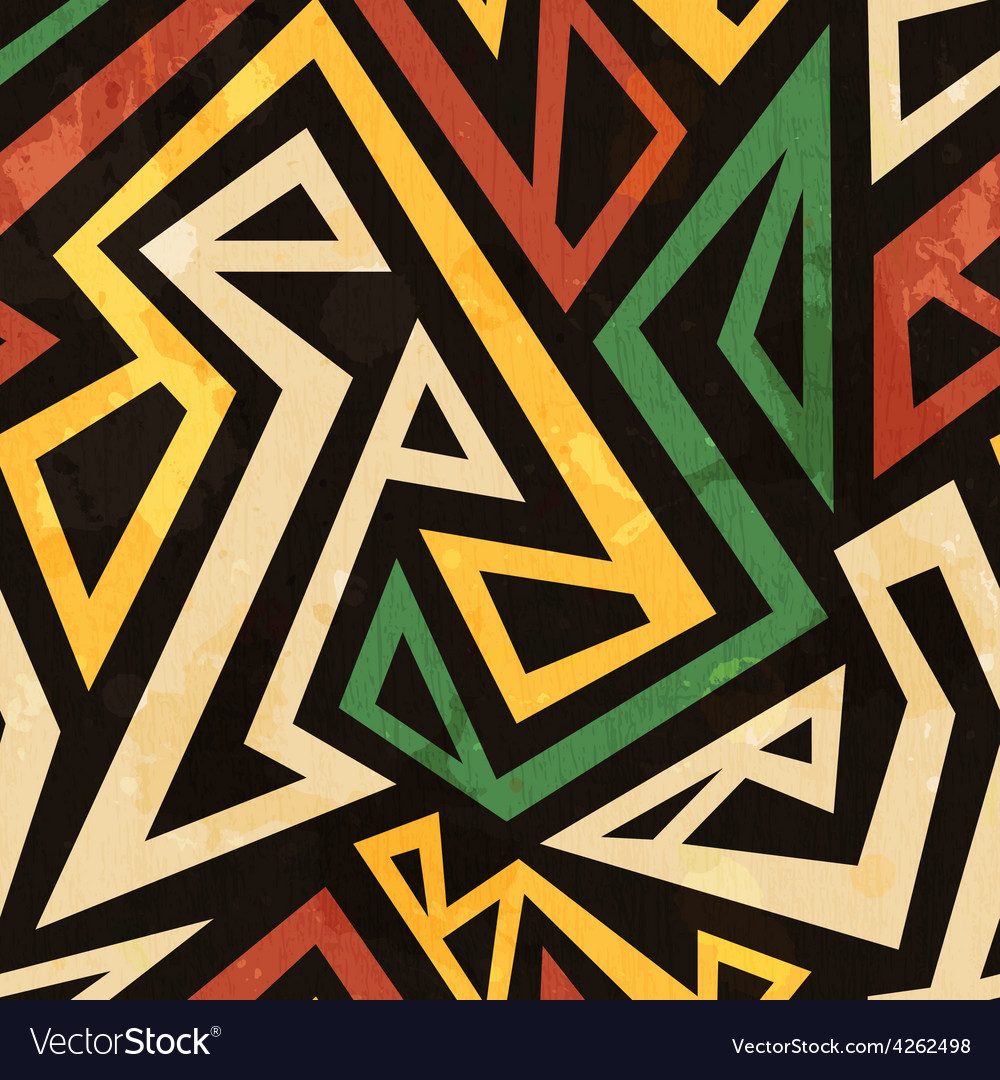
African geometric seamless pattern with grunge Vector Image
Web African Fabrics Have Beautiful Patterns, Bright Colours, And Interesting Imagery—But These Designs Are More Than Just Decoration.
Skirts, Reaching Over 15 Feet In Width, Were Layered On Top Of One Another And Worn With Decorated Belts And Hats.
Originating From The Ashanti People Of Ghana, Kente Cloth Is A Symbol Of Pride, Identity, And Heritage.
Web Find Out How African Prints Have Become A Symbol Of Cultural Pride And Resistance, And Why Incorporating Them Into Your Wardrobe Is A Great Way To Show Off Your Personal Style While Paying Homage To Africa's Heritage.
Related Post: